Tell us about the job
Takes about a minute. No obligation.
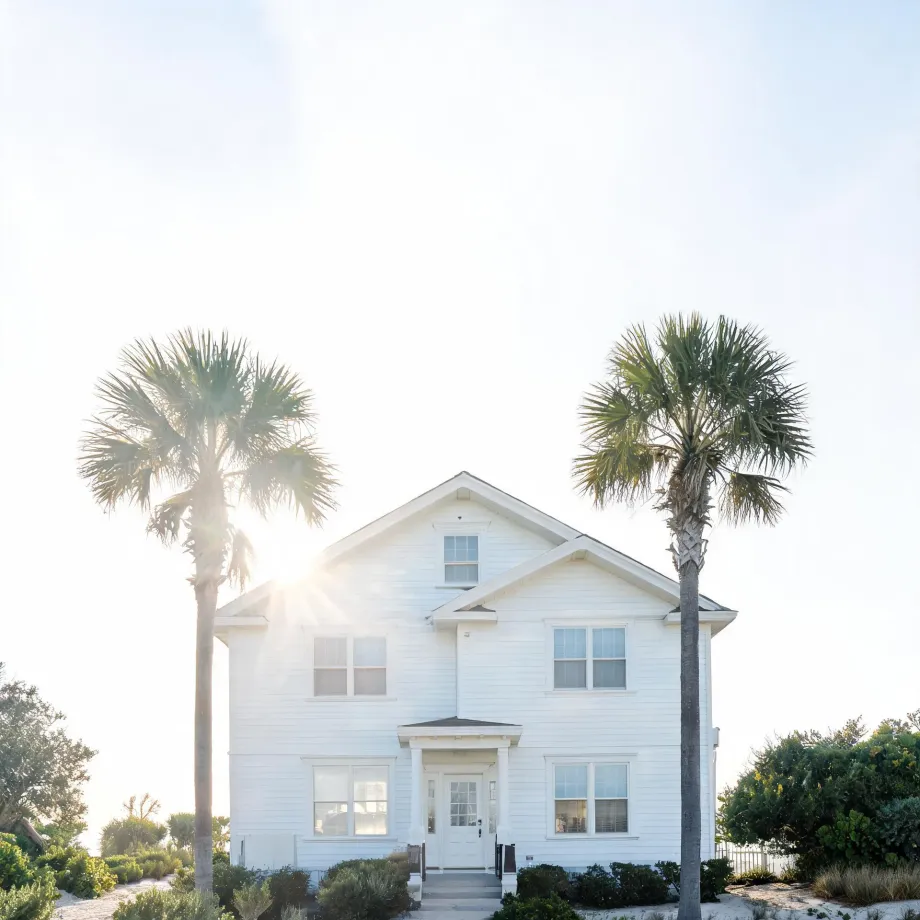
A central AC compressor in Maui County does not get much downtime. Homes in Maui County, HI run cooling about ten months a year, from March through December. The contactor, condenser fan motor, and refrigerant circuit carry that load month after month, and wear on those components builds steadily rather than in bursts. When a contractor opens a system for repair here, the compressor and coil often show the kind of accumulated stress that only comes from sustained cycling. A fault that a longer off-season might leave dormant tends to surface while the system is still running, which means the repair scope a contractor finds is often wider than the presenting symptom suggests.
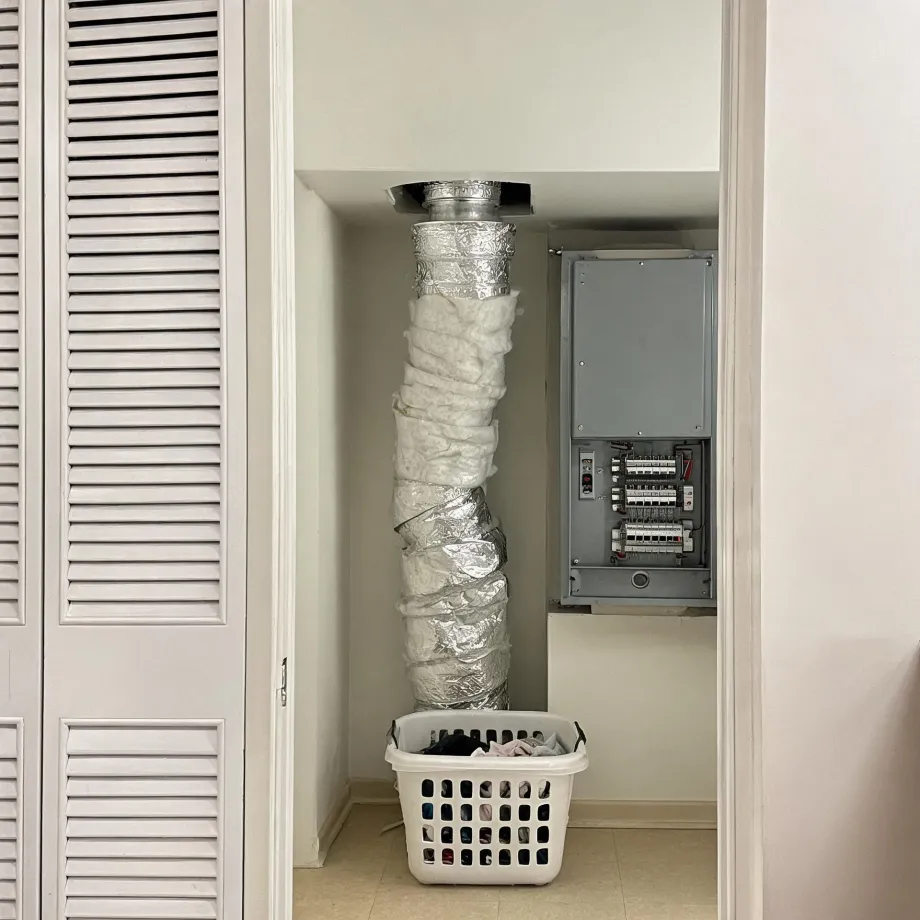
Central AC equipment turns over faster than the houses it runs in, and in Maui County that gap matters when something breaks. Half the homes in Maui County, Hawaii were built in 1985 or earlier (2020-2024 ACS 5-year). A system installed into an older house has almost certainly been replaced at least once, but the refrigerant lines, the air handler connections, and the electrical service it ties into belong to the original build. When a repair technician opens a failed unit, what determines the repair scope is whether the replacement parts that compressor or coil takes are still in production, and whether the surrounding infrastructure those parts have to work with is compatible with a current-spec component.
The Parts of a Central AC a Contractor Checks First
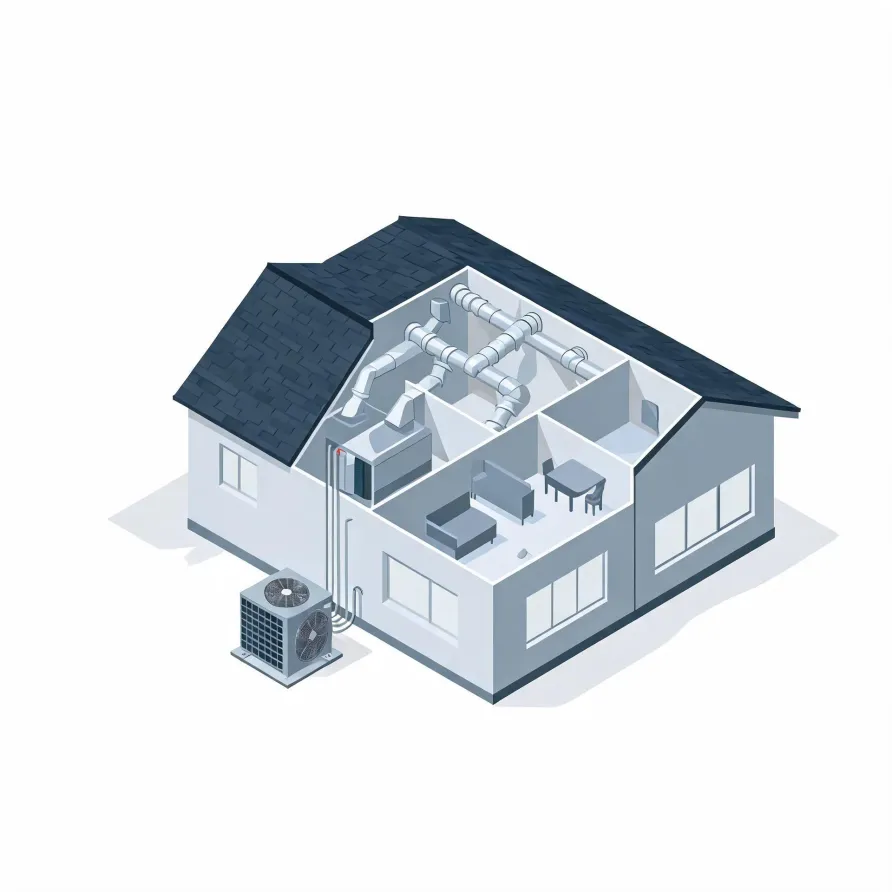
The outdoor condenser unit sits outside the house, usually on a concrete pad beside the foundation, and it carries the compressor and the condenser coil. Both are common starting points when a system stops cooling. The air handler or furnace cabinet lives inside, often in a closet, attic, or utility room, and it holds the evaporator coil and the blower that moves air through the house.
The thermostat on the wall controls the whole system and is often the first thing a contractor tests when a complaint comes in. Refrigerant lines run between the indoor and outdoor units, and a faulty expansion valve or a leak anywhere along those lines can shut down cooling just as surely as a failed compressor.
The drawing shows a typical layout, and a licensed contractor will determine which components and conditions apply to your specific home.
Find a contractor in Maui CountyMaui County, by the numbers
14 severe weather events were recorded in Maui County, Hawaii between 2015 and 2024.
NOAA National Centers for Environmental Information, Storm Events Database, bulk CSV export, events 2015-01-01 through 2024-12-31.Half the homes in Maui County, Hawaii were built in 1985 or earlier (2020-2024 ACS 5-year).
U.S. Census Bureau, 2020-2024 American Community Survey 5-Year EstimatesMaui County, Hawaii holds 72,279 housing units (2020-2024 ACS 5-year).
U.S. Census Bureau, 2020-2024 American Community Survey 5-Year EstimatesOwners occupy 65.6% of the occupied homes in Maui County, Hawaii (2020-2024 ACS 5-year).
U.S. Census Bureau, 2020-2024 American Community Survey 5-Year EstimatesCodes & Standards for Central AC Repair in Maui County, Hawaii10 sourced rules and standards
What Happens When the Contractor Arrives
Split-system central air conditioners rated below 45,000 Btu/h manufactured on or after January 1, 2023 must meet a federal minimum of 13.4 SEER2.
Split-system central air conditioners rated at or above 45,000 Btu/h manufactured on or after January 1, 2023 must meet a federal minimum of 13.4 SEER2.
Split-system central air conditioners manufactured between January 1, 2015 and December 31, 2022 had to meet 13 SEER, the metric that preceded SEER2.
Single-package central air conditioners manufactured on or after January 1, 2023 must meet a federal minimum of 13.4 SEER2.
Space-constrained central air conditioners manufactured on or after January 1, 2023 must meet a federal minimum of 11.7 SEER2.
Federal efficiency standards for split-system central air conditioners and heat pumps are set on each certified combination of outdoor unit and indoor coil rather than on the outdoor unit alone.
Residential and light commercial air conditioning and heat pump systems assembled in the field, including mini-splits and unitary systems, may not be installed on or after January 1, 2025 using a refrigerant with a global warming potential above 700.
A field-assembled system whose specified components were all manufactured or imported before January 1, 2025 carries no installation compliance date under the refrigerant restrictions and may still be installed.
Licensing Rules for HVAC Repair in Maui County, Hawaii
Hawaii’s contractor licence does not reach a project whose total price for labour, materials, taxes and everything else is not more than $1,000 — but that exemption falls away whenever a building permit is required, whatever the price, and it never applies to part of a larger job.
Hawaii requires a contractor licence from the contractors license board: no person may act, assume to act, or advertise as a general engineering, general building or specialty contractor without one.